


Recall Management for Dental Practices: Build Lasting Patient Loyalty
A fully booked schedule doesn’t happen by chance — it’s the result of structure. Recall management is exactly that structure: the systematic process a practice uses to bring patients back for regular check-ups, preventive care, or follow-up treatment. Anyone who thinks of recall as just the occasional reminder card is leaving potential on the table. Done right, recall management is a continuous process of scheduling, reminders, follow-up, and physical touchpoints that stay visible in patients’ everyday lives.
What recall management does for your practice
Recall management makes sure check-up appointments aren’t left to chance. Instead of hoping patients will come back on their own, the practice sets fixed intervals and processes that actively act on them. This reduces no-shows, spreads out capacity more evenly across the year, and keeps preventive care top of mind — without the team having to track every single case by hand.
A well-organized recall process has three building blocks:
- Trigger: a fixed interval (e.g., every six months) or an event (completed treatment, a due PZR/cleaning update)
- Channel: phone call, text message, email, letter, or physical card
- Follow-up: a second reminder if the first contact doesn’t lead to a booked appointment
If any one of these building blocks is missing, the chain breaks and the recall effort fizzles out.
The recall chain: from reminder to appointment
Digital reminders are quick to send, but they’re competing with every other message in the inbox. That’s why it pays to extend the recall chain with physical elements that stay visible longer than an email. A classic combination looks like this:

- First digital reminder (text message or email) around four weeks before the due appointment
- A physical touchpoint at the last practice visit that already announces the next interval
- A follow-up phone call if no appointment has been booked within two weeks
For details on which content and wording work well for this physical touchpoint, see our article on the dental practice recall card. It’s also worth checking out the appointment card for dentists if you’d rather hand patients their next appointment on the spot instead of scheduling it later.
Physical touchpoints that stay part of everyday life
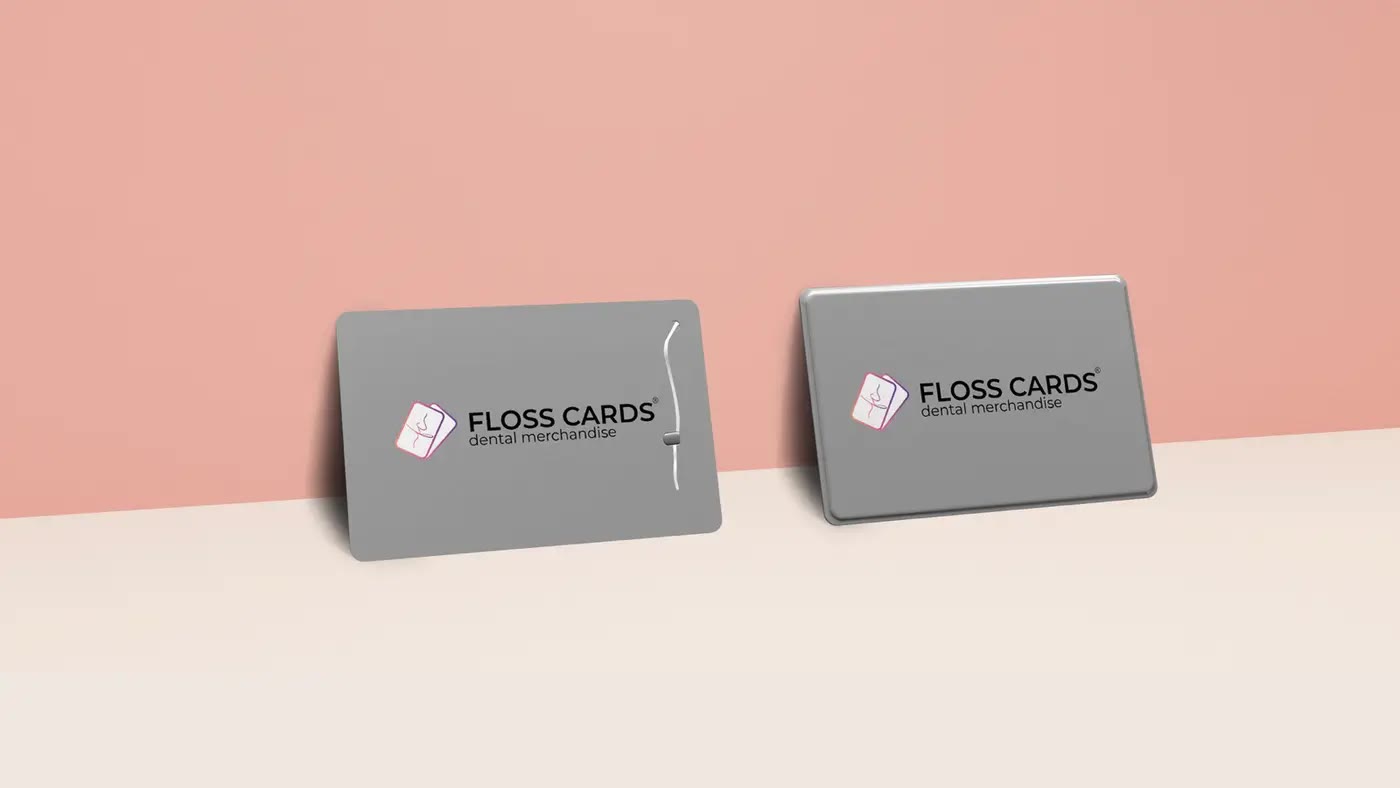
Cards often end up in a wallet, a service booklet, or pinned to a board at home — and that’s exactly where they do their job once the recall date approaches. A floss card in business-card format combines this effect with a product people actually use: 85 × 55 mm, 1.6 mm thin, with around 10 meters of waxed dental floss per card. The front carries the practice name, logo, and contact details, while the back can display the next recall interval or a short preventive-care message.
Unlike a plain paper appointment card, the floss card stays in use longer because the floss itself actually gets used over time — each use is a brief point of contact with the practice name. For practices that want to pair recall communication with a giveaway, this is a natural fit, as described in our article on the dental floss business card as a promotional item.
Design for recall use
For recall purposes, a clear split has proven effective:
- Front: practice name, logo, address, phone number, QR code for online appointment booking
- Back: a brief note about the check-up interval, e.g., “Your next check-up is due in 6 months”
- Finishing options depending on your brand look: spot UV coating for accents, or hot foil stamping in gold, silver, copper, or other colors for a more premium appearance
Printing is available as single-sided (4/0) or double-sided (4/4), so the front and back can be designed independently. You’ll find the exact file format and color space requirements in our print data guidelines, and you can put together a finished layout directly in the configurator, complete with an instant price.
Quantity planning for everyday recall use
Unlike a one-off trade-show giveaway, recall is an ongoing process — and your planning should reflect that. As a rough guide:
- Small practices (up to around 1,000 patients in active recall): quantities starting at 500 or 1,000 units usually cover several months
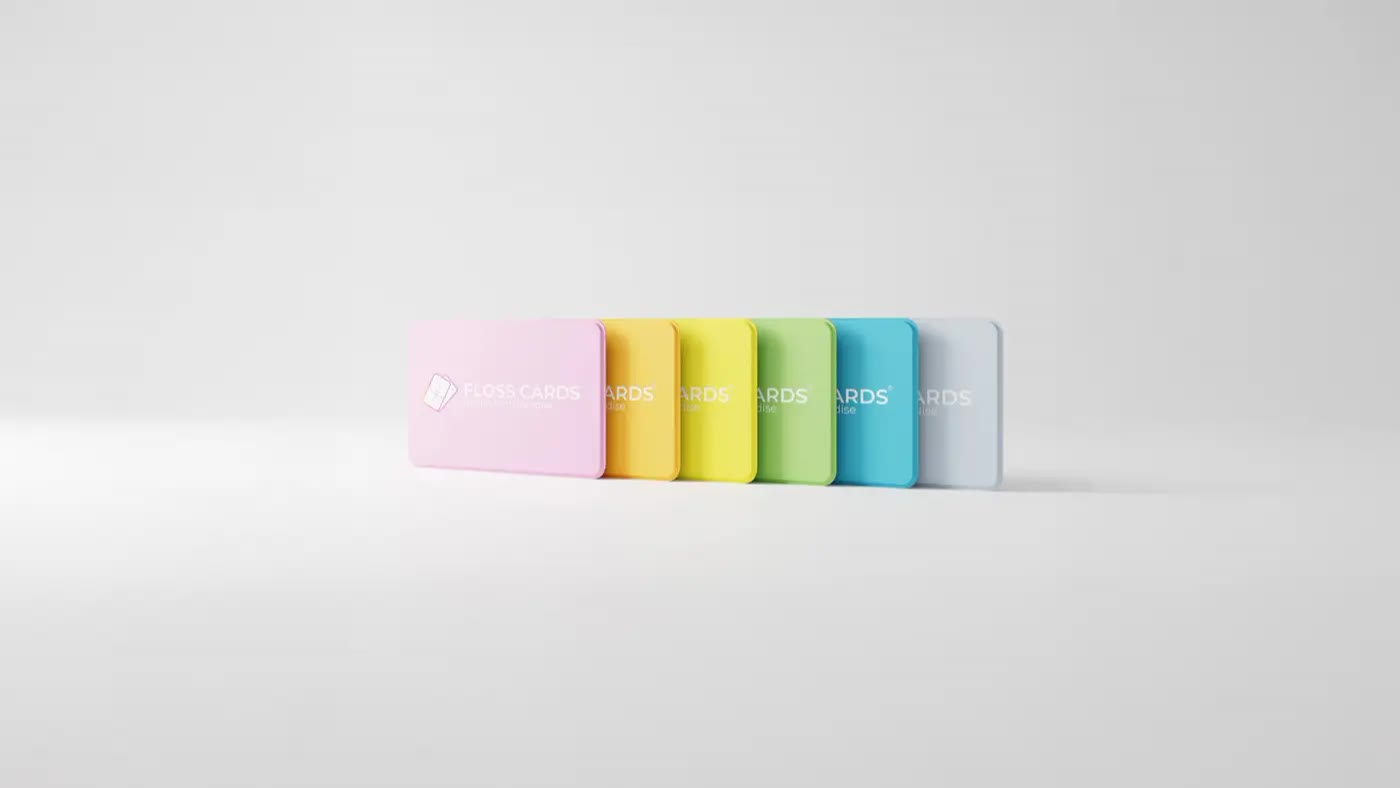
- Mid-sized practices: 2,500 to 5,000 units make it possible to plan in seasonal flavors like strawberry or lemon, which are available from 5,000 units
- Practice groups or dental labs with multiple locations: 10,000 units and up, ideally with a consistent base design and a location-specific back
Mint is available from as few as 500 units, making it a good fit for smaller recall batches or test runs. If you’re using the cards as a regular part of your recall process, it’s worth setting up a fixed reorder routine rather than waiting until stock runs out — especially since production typically takes around 4–5 weeks, and up to 6 weeks between mid-January and the end of February.
Avoiding common recall management mistakes
A few pitfalls show up again and again:
- Relying on a single channel: Practices that use only email or text messages lose patients who rarely check those channels. A physical touchpoint closes that gap.
- No follow-up: If the first reminder goes unanswered, a second point of contact is needed — otherwise the recall prompt simply fizzles out.
- Unclear messaging: Recall copy should stay factual and avoid any promise of healing; a simple note about the due check-up interval is enough.
- Reordering too late: If card stock isn’t replenished in time, gaps appear in the recall chain at exactly the wrong moment.
- Lack of coordination with other touchpoints: The recall card, appointment card, and general practice marketing should work together rather than run in isolation — as described in our article on practice marketing with small touchpoints.
Keep these points in mind, and you’ll build a recall chain that doesn’t just work once, but keeps delivering for years.
If you’d like to try recall cards in business-card format for your practice, request a free sample or design your card directly in the configurator — complete with an instant price for your chosen quantity.
Frequently asked questions
How often should a recall contact take place?
This depends on the individual check-up interval, usually every six to twelve months. What matters is that the contact happens well ahead of the due appointment and that you follow up if needed.
Is a digital reminder enough for effective recall management?
Digital reminders are an important building block, but they’re often overlooked. An additional physical touchpoint, such as a card, stays visible longer and increases the likelihood that the appointment actually gets booked.
What content can a recall card include?
Factual information about the due check-up interval, along with the practice name and contact details, is fine. Claims of healing or medical guarantees don’t belong on a recall card.
What’s the minimum order quantity for using floss cards in recall campaigns?
Starting at just 500 units in mint flavor; larger quantities from 2,500 or 5,000 units also open up additional flavors such as strawberry or lemon.
Your Floss Cards – designed in minutes
Live preview, transparent volume pricing, artwork upload. Or let us design them for you.
Keep reading
Corporate Promotional Giveaways: Function Beats Quantity
Planning promotional giveaways for businesses the right way: why function and format matter more than quantity, with real examples and order-size guidance.
Dental hygiene giveaways: what patients take home after cleaning
A fitting giveaway after professional teeth cleaning: what it should do, texts for the card, how to hand it over and how many cards your practice needs.